

LD WORK | PAGE WIP
TERRAIN CREATION W/ ZBRUSH + GAEA
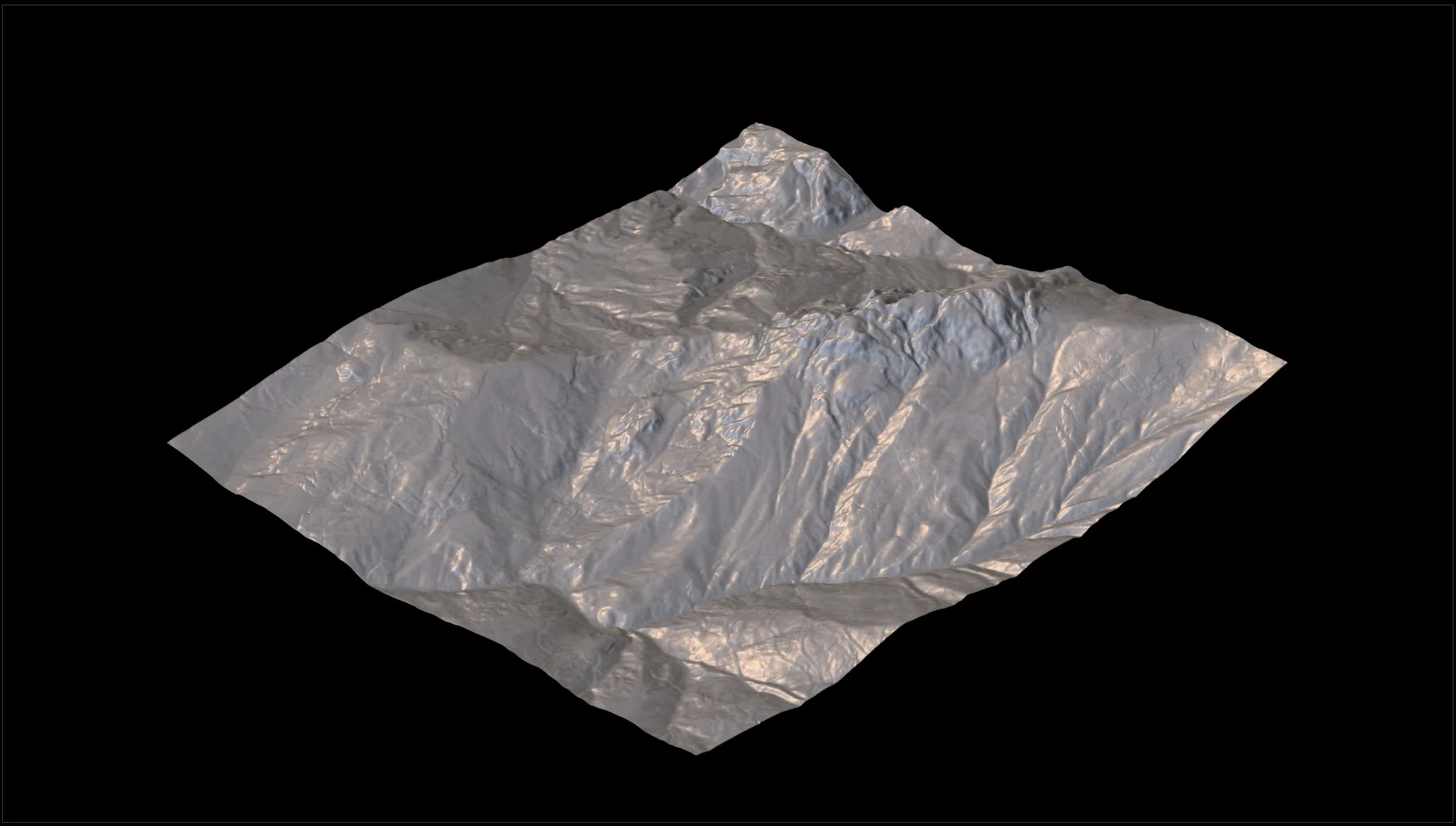
Hand sculpted terrain from ZBrush, weathered in GAEA and built out in Unreal Engine 5.
Terrain Creation
Terrain Creation w/ ZBrush + GAEA
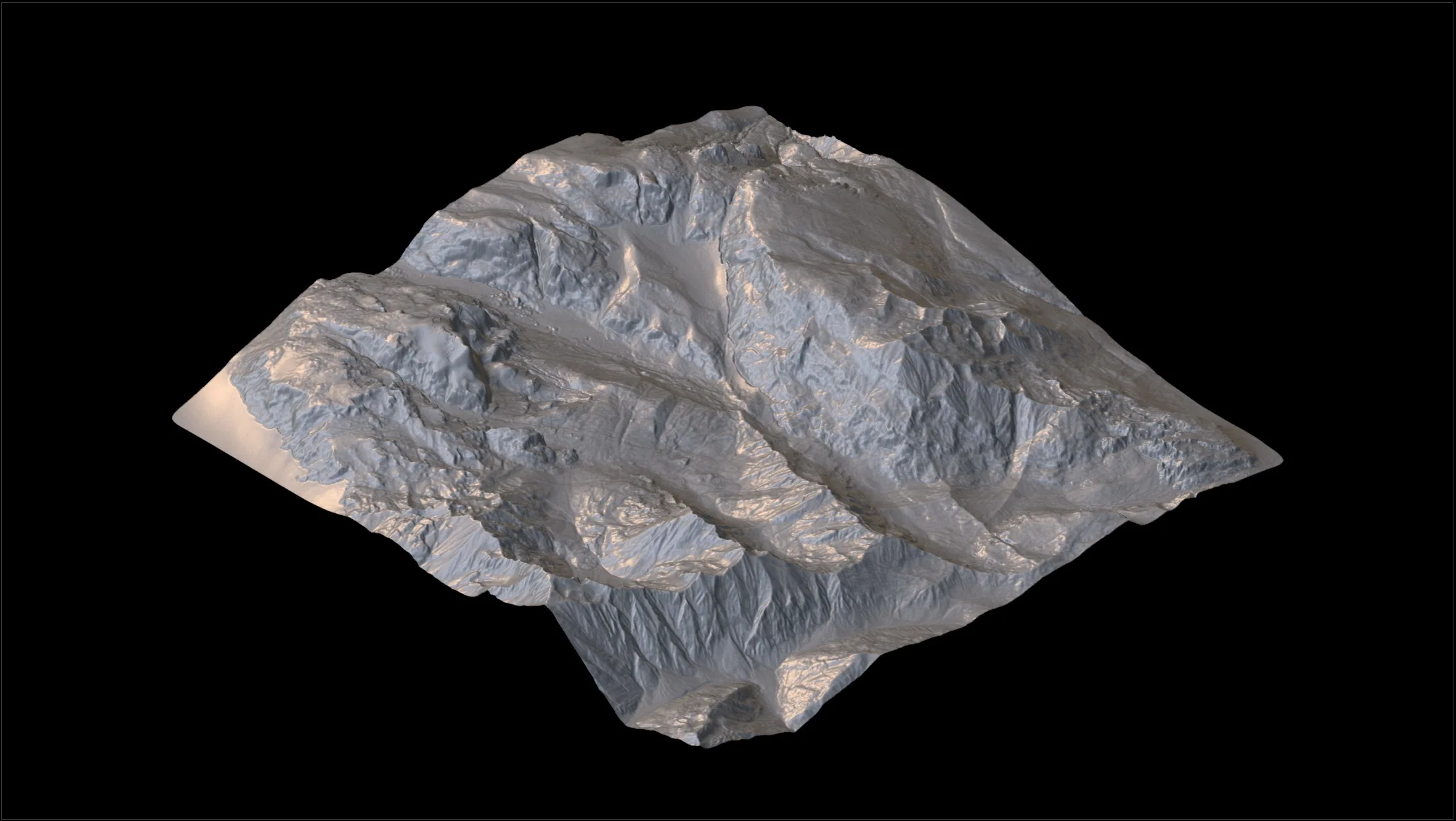
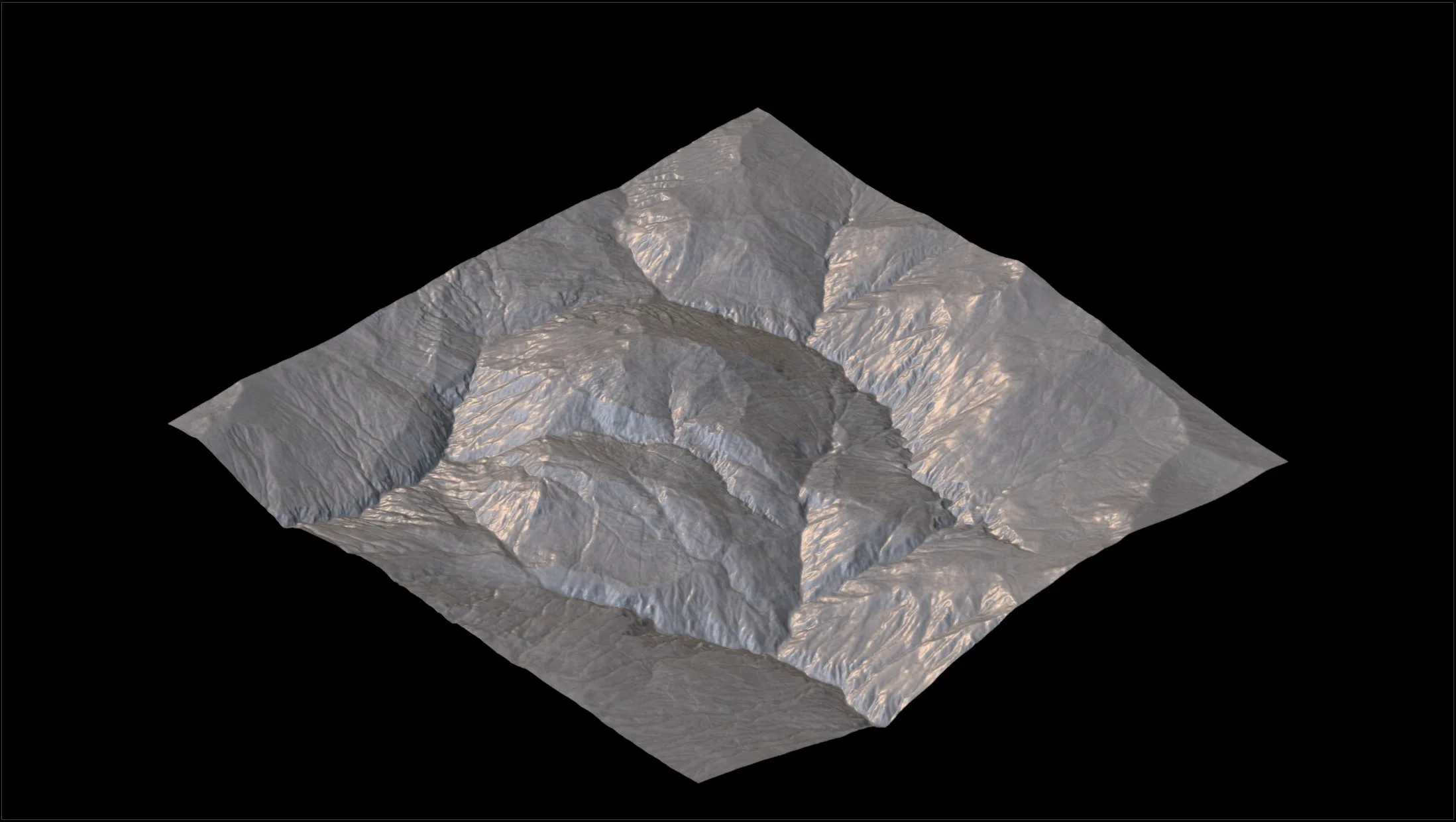
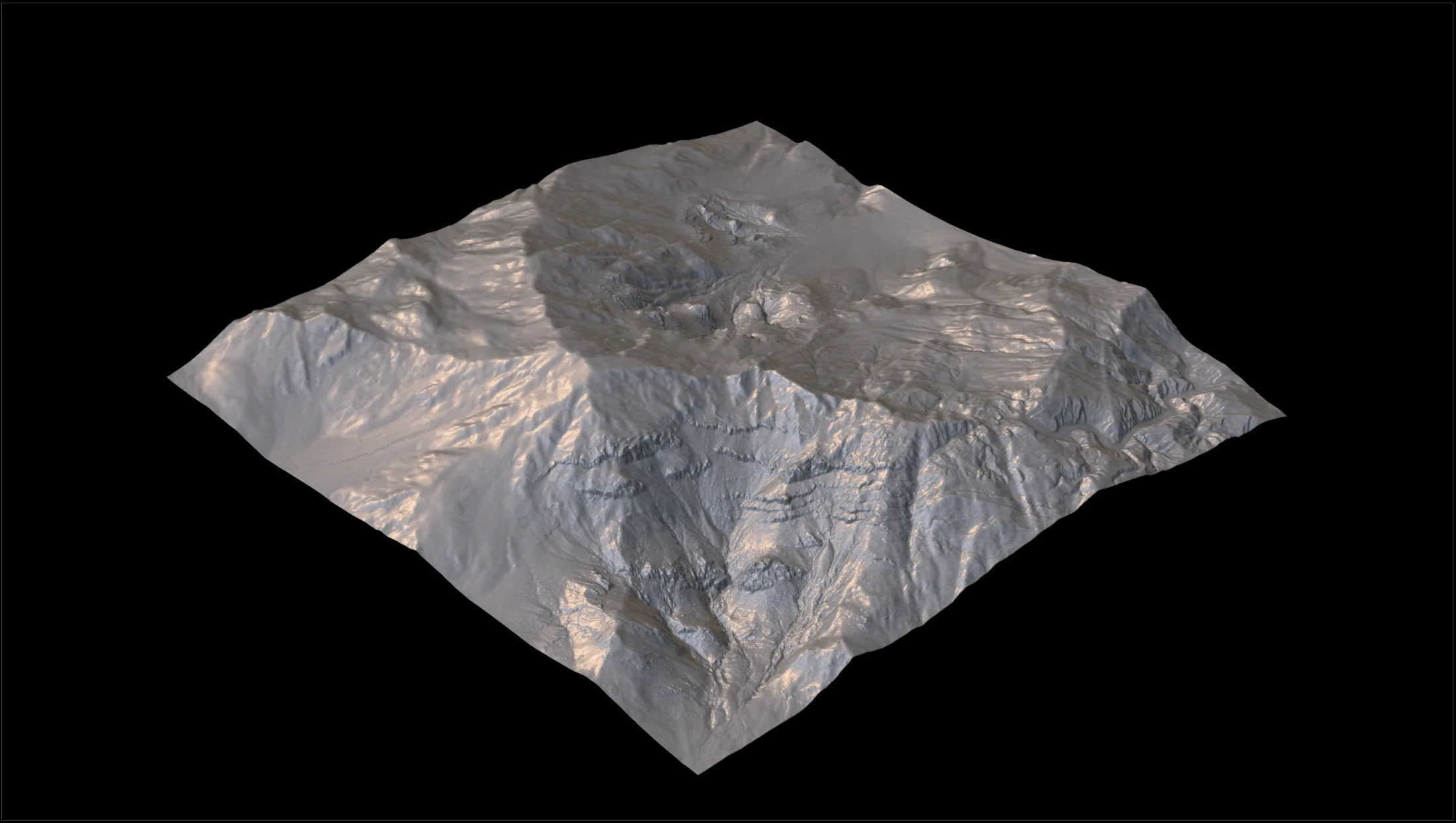
Sculpting the terrain by hand in ZBrush gives me full art direction over the shape of the landscape. GAEA then takes over for the passes that are better left procedural: erosion, sediment and the data maps that drive the texturing.
A fully procedural terrain gets you a believable landscape, but not always the one your level needs. By sculpting the silhouette in ZBrush first, the playable spaces, the sightlines and the landmarks are designed rather than found.
The sculpt goes into GAEA as a base height, comes back out weathered, and lands in Unreal Engine 5 ready to build on.
Flow Mask
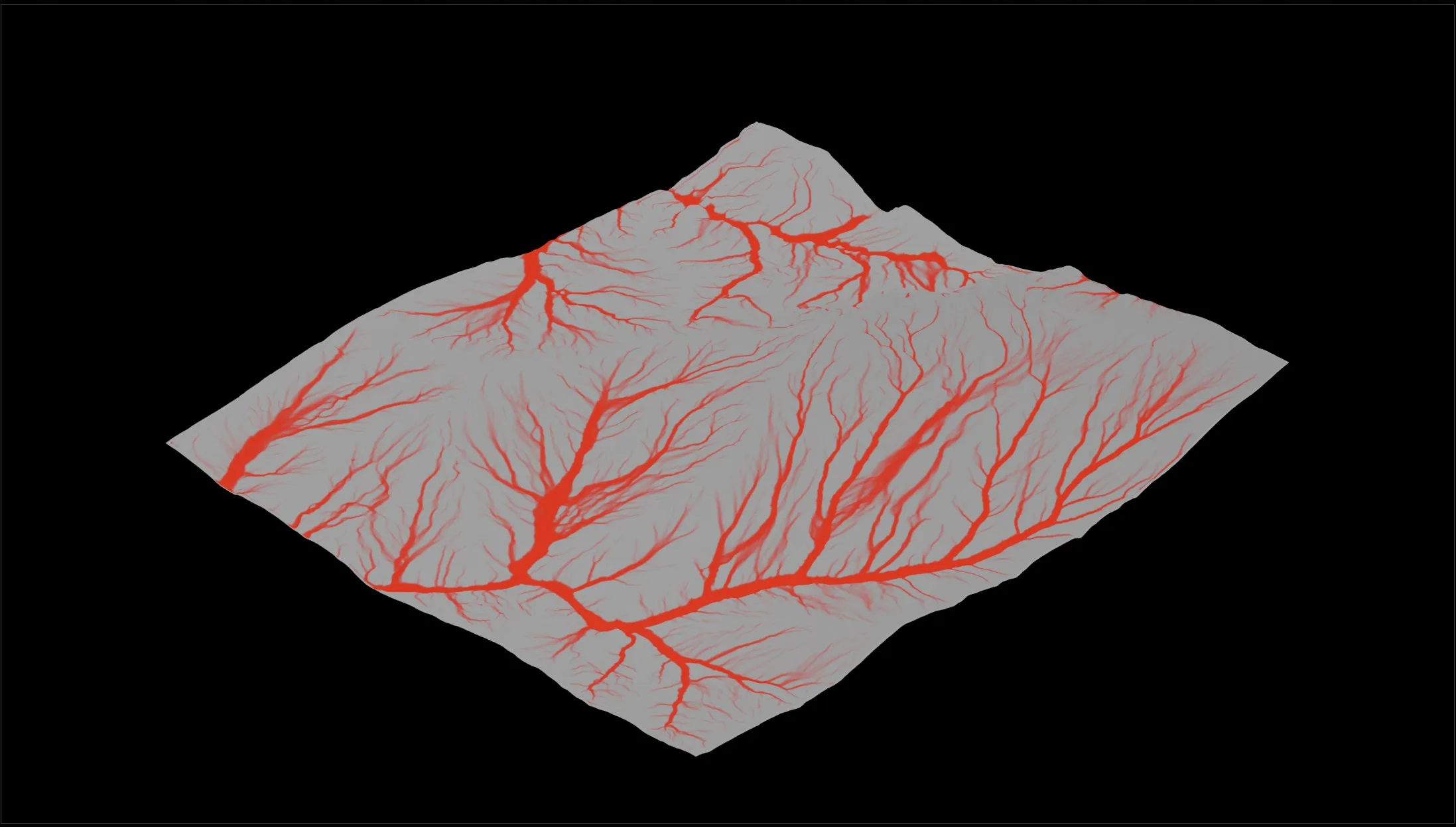
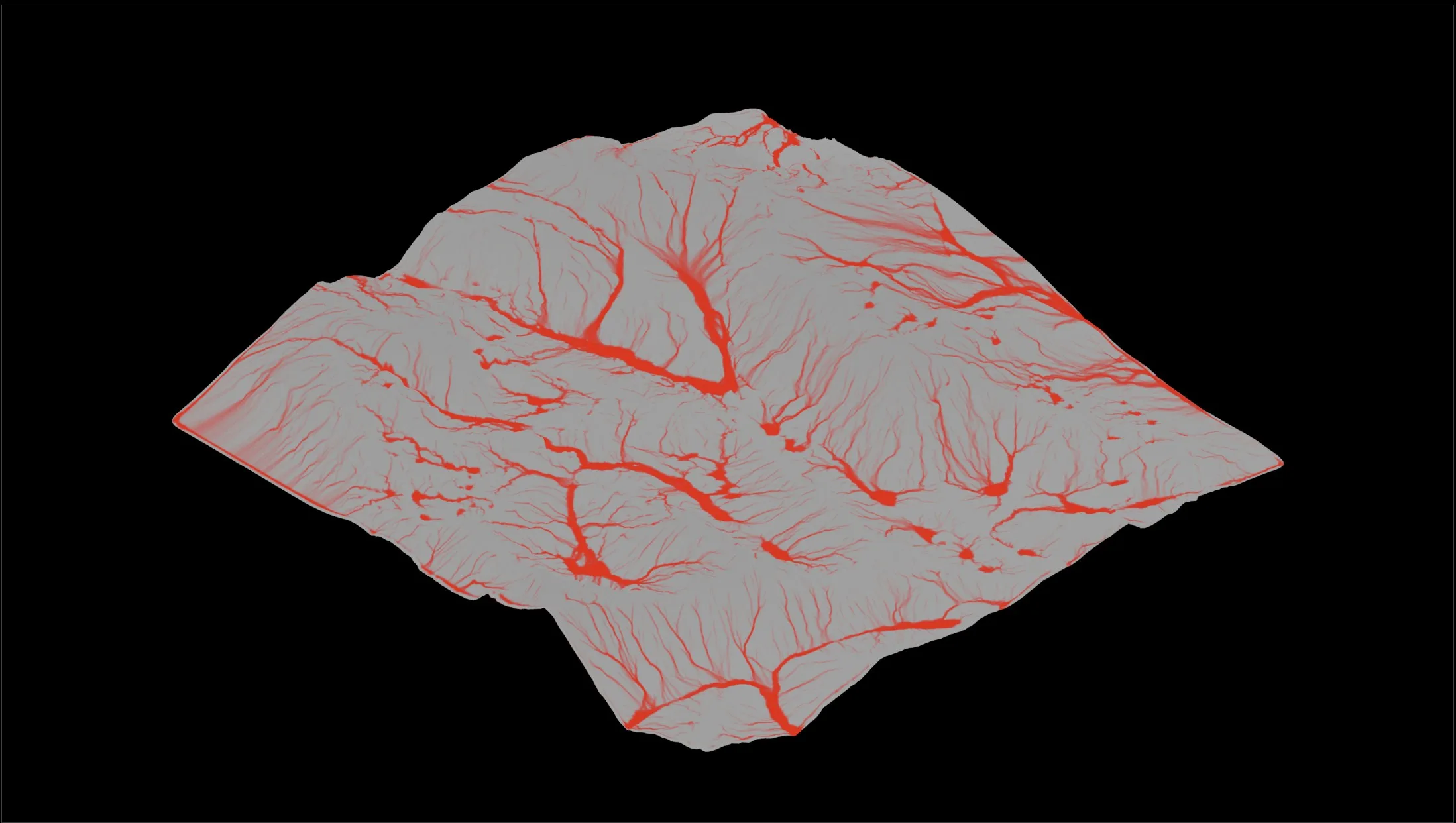
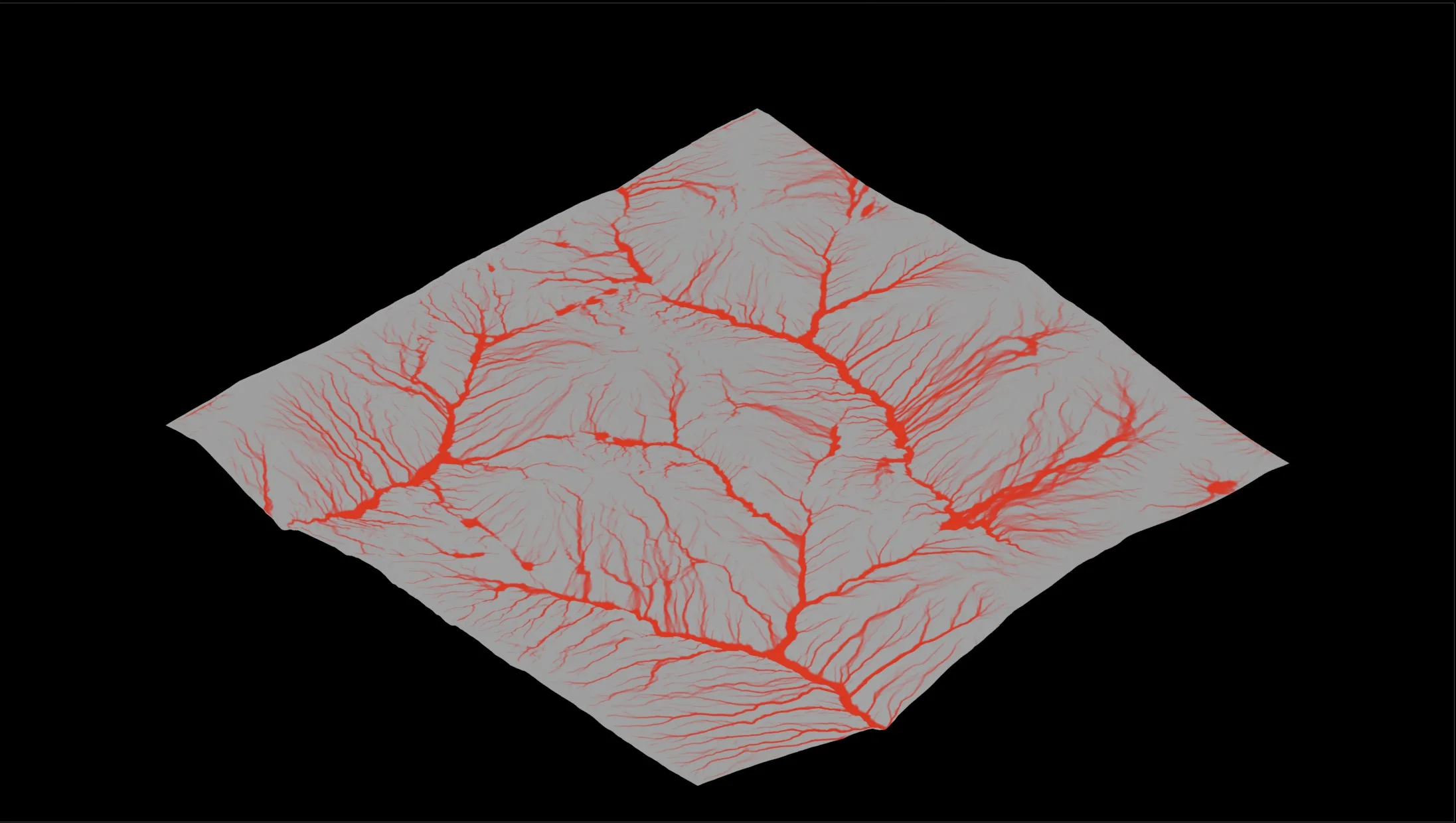
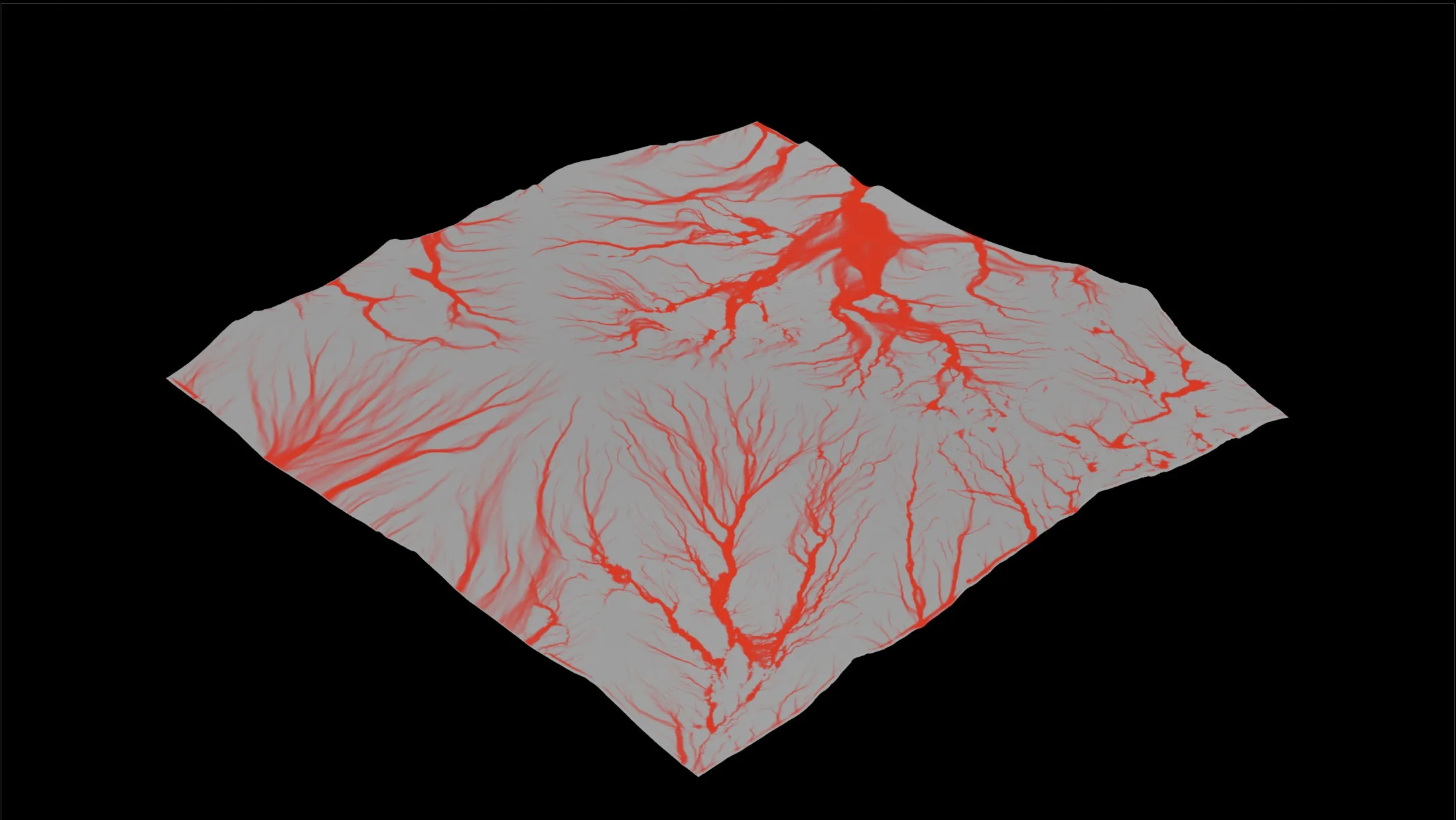
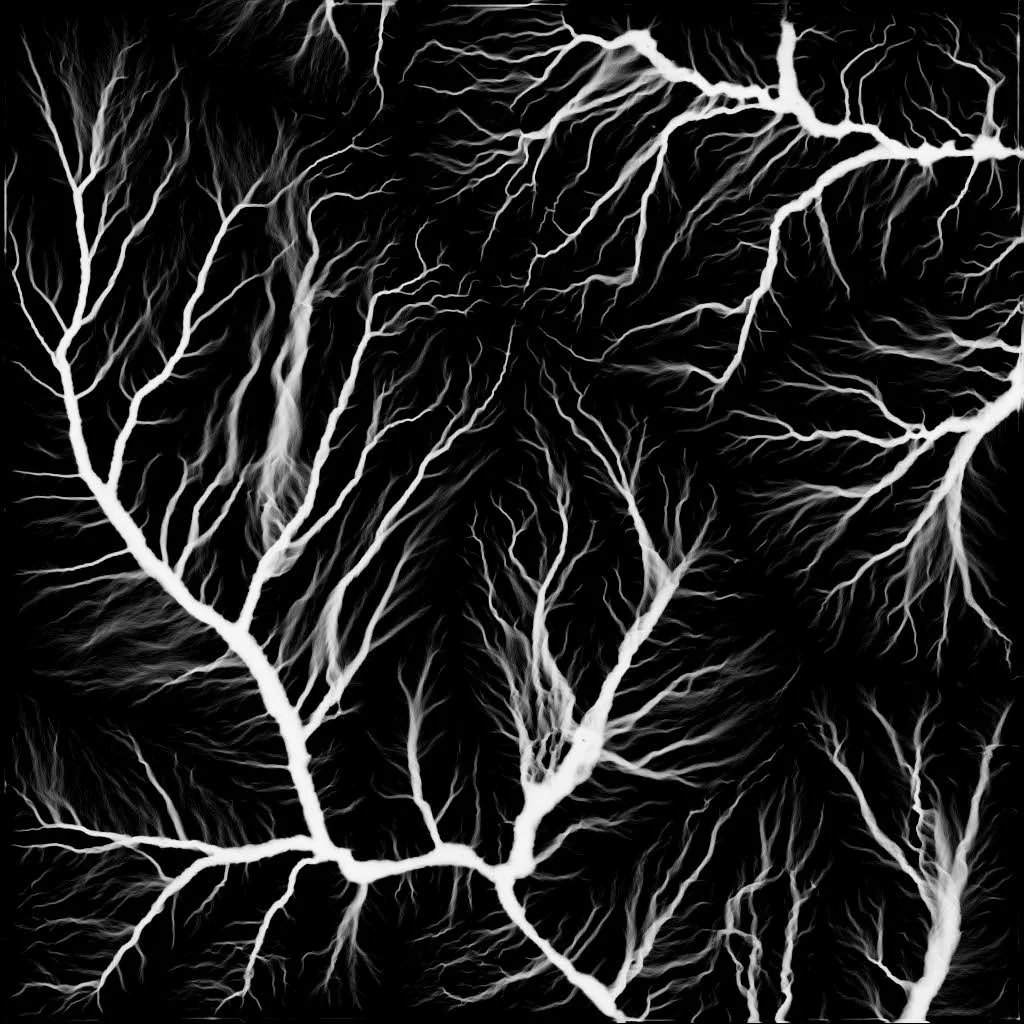
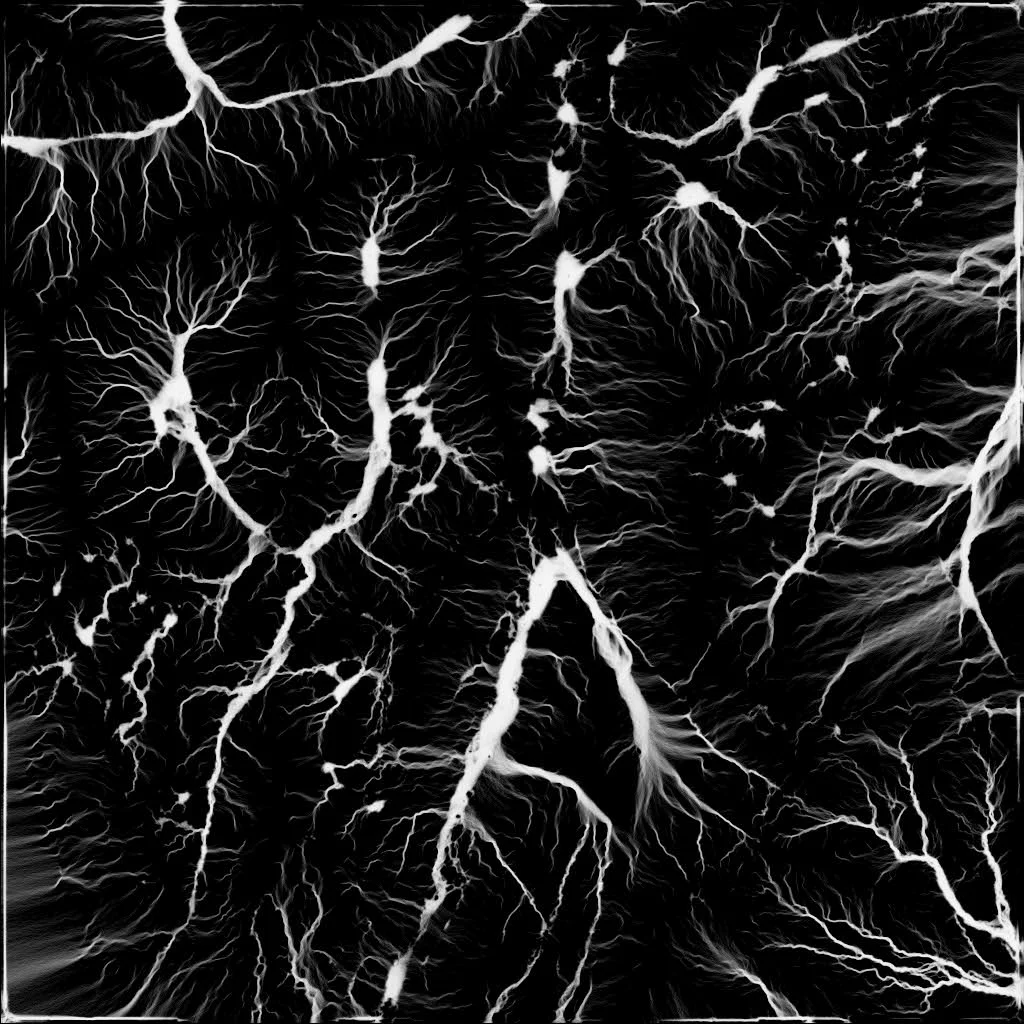
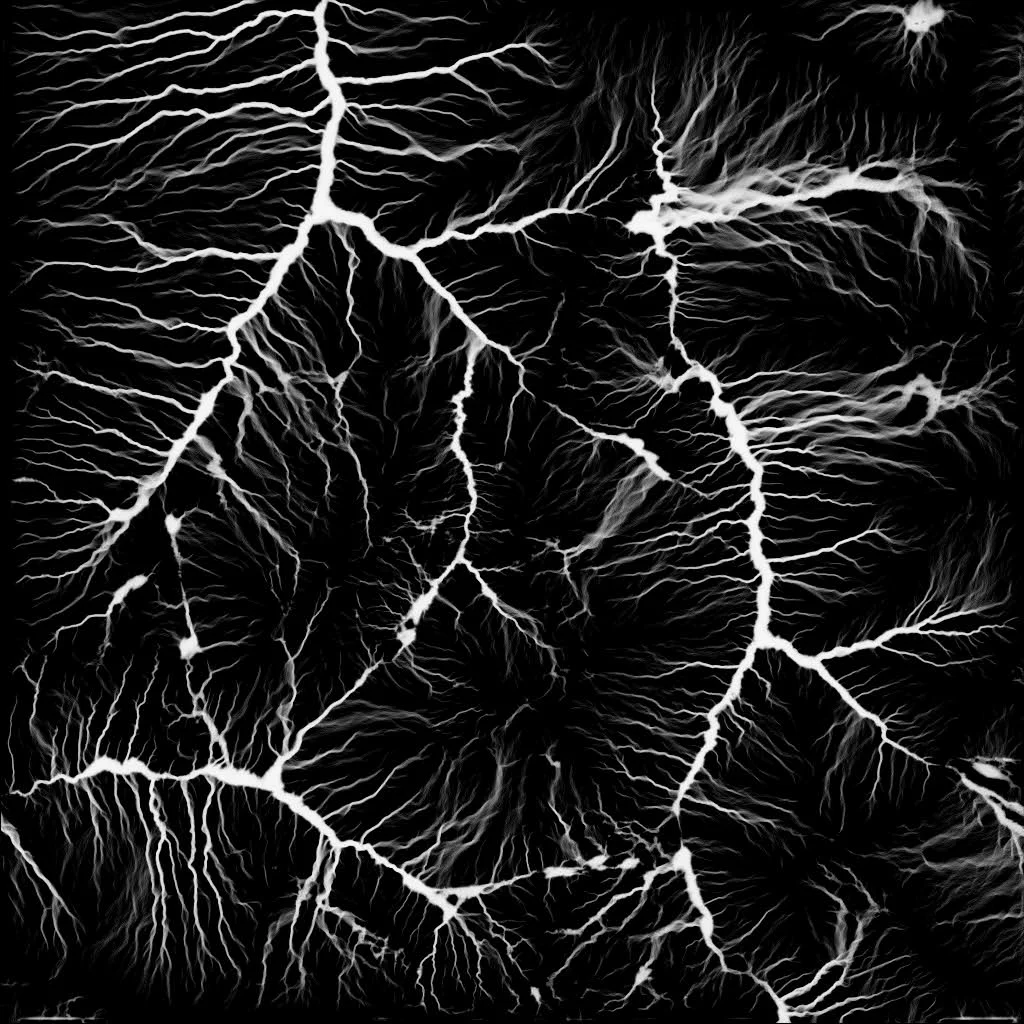
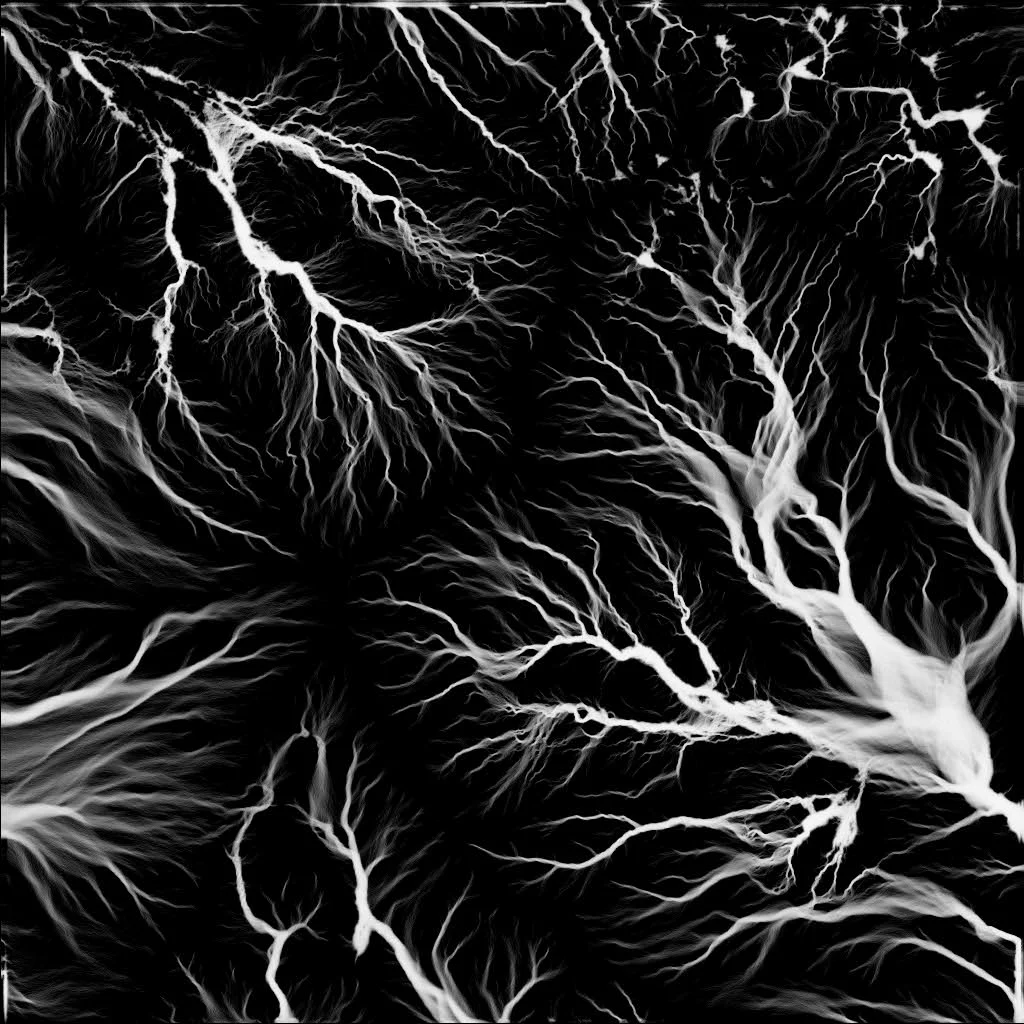
The Flow Mask
The flow mask follows the natural erosion pattern of the terrain, tracing the path water takes down the slopes.
That makes it a mask you can drive a lot of data with: where the rivers and streams go, where the ground stays wet, where to scatter trees and where to keep them off.
Because it comes out of the erosion itself, everything placed with it sits where it would naturally end up, instead of where it was hand painted.
Mask Driven Placement
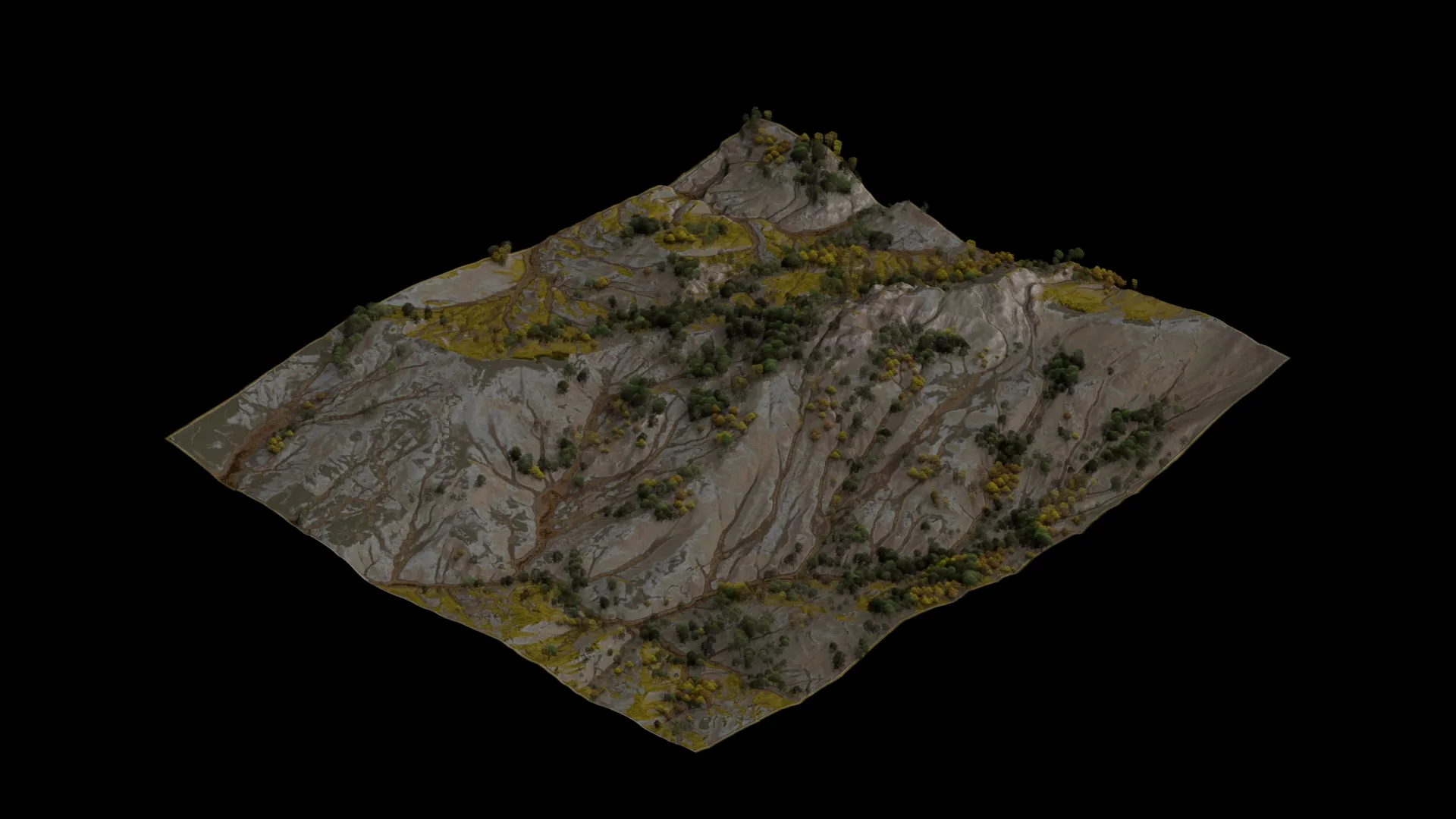
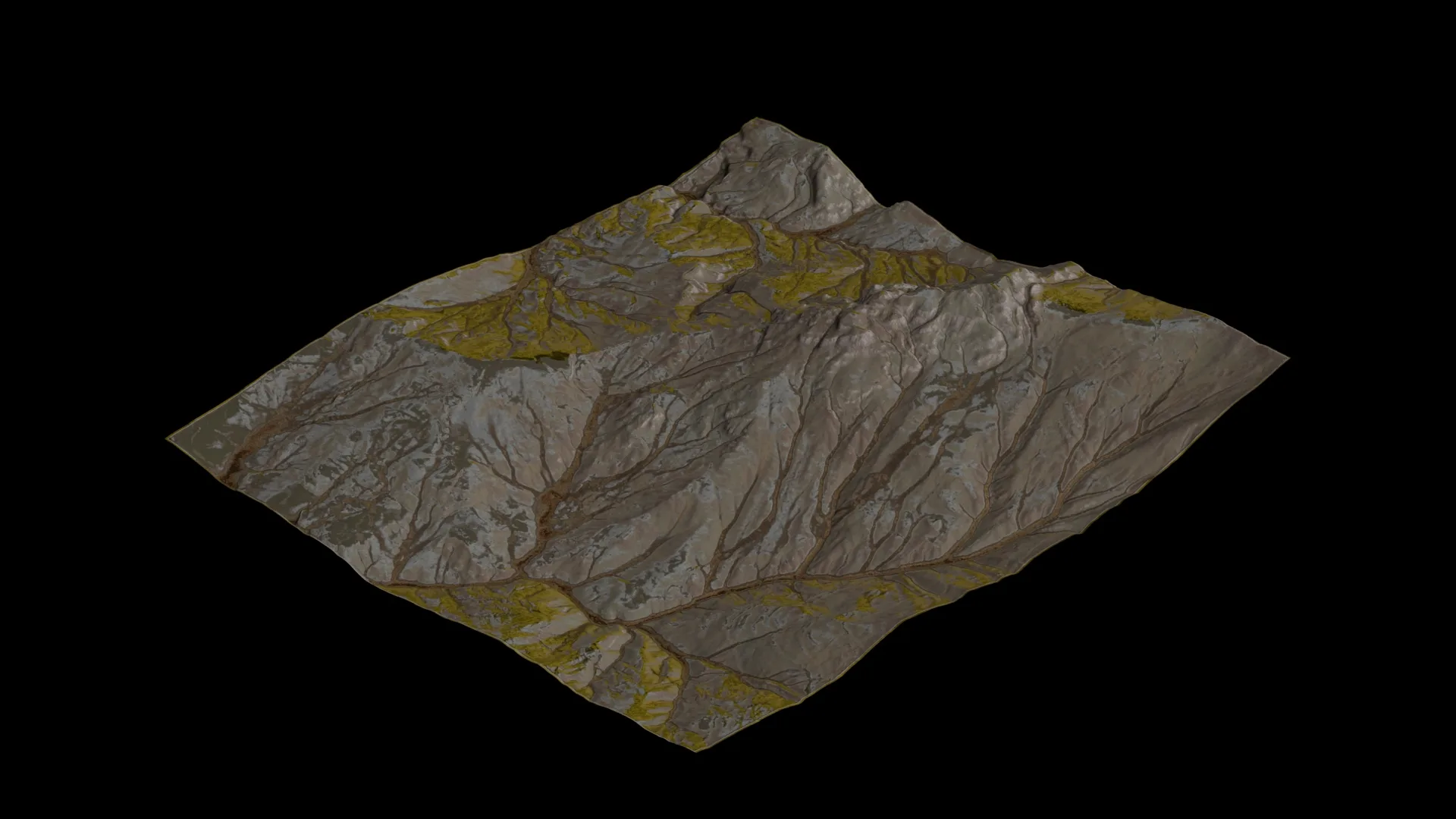
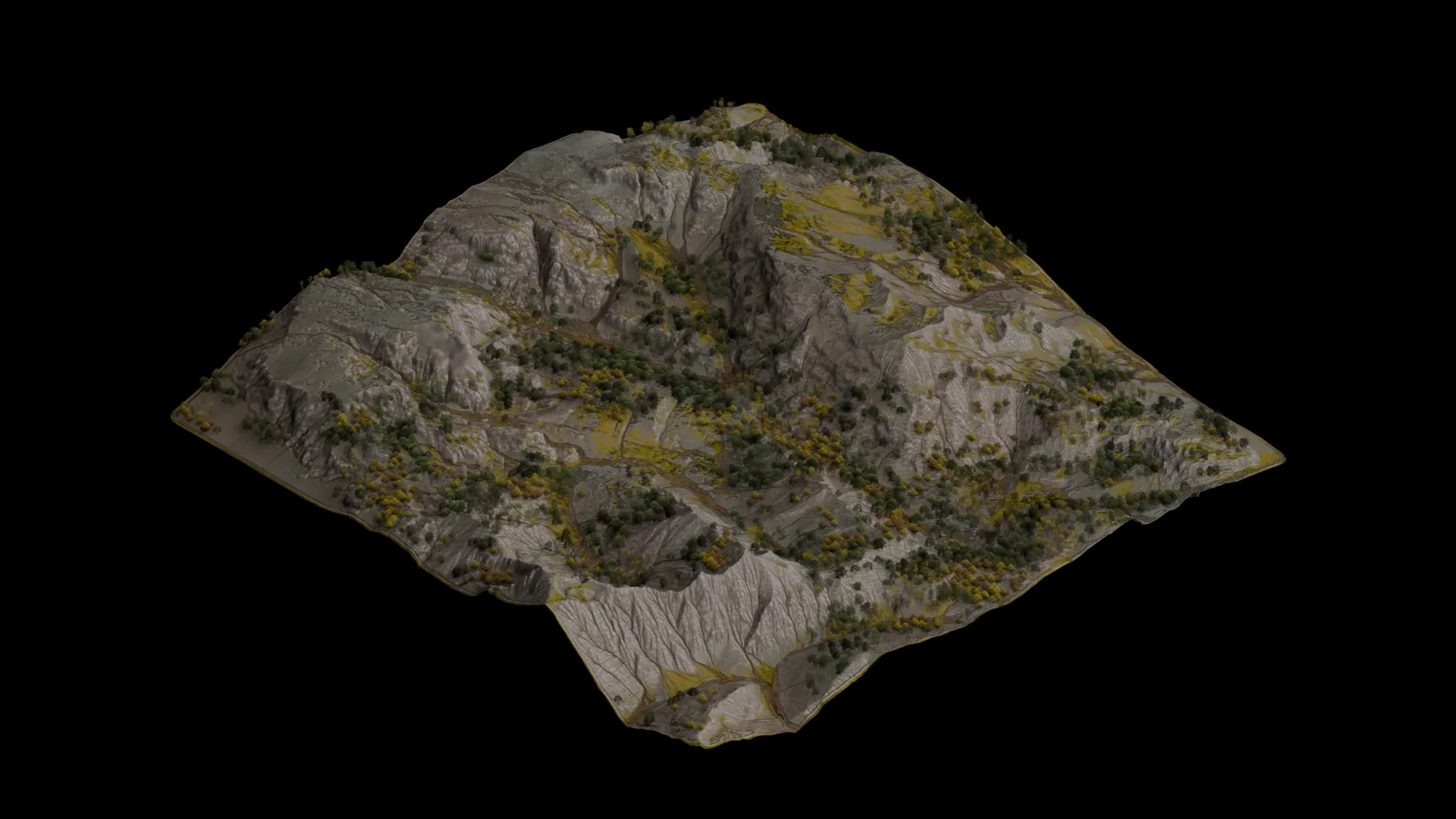
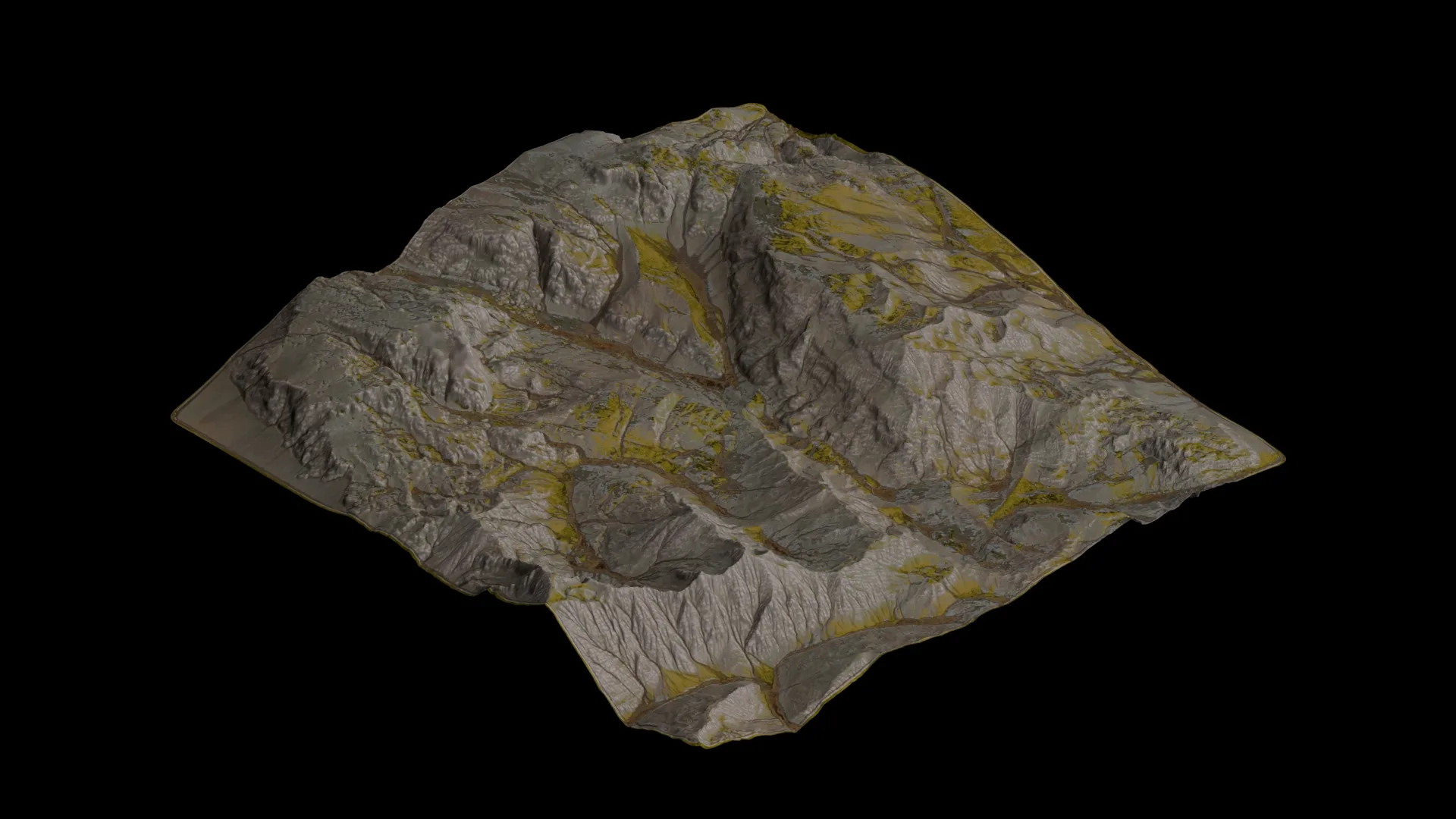
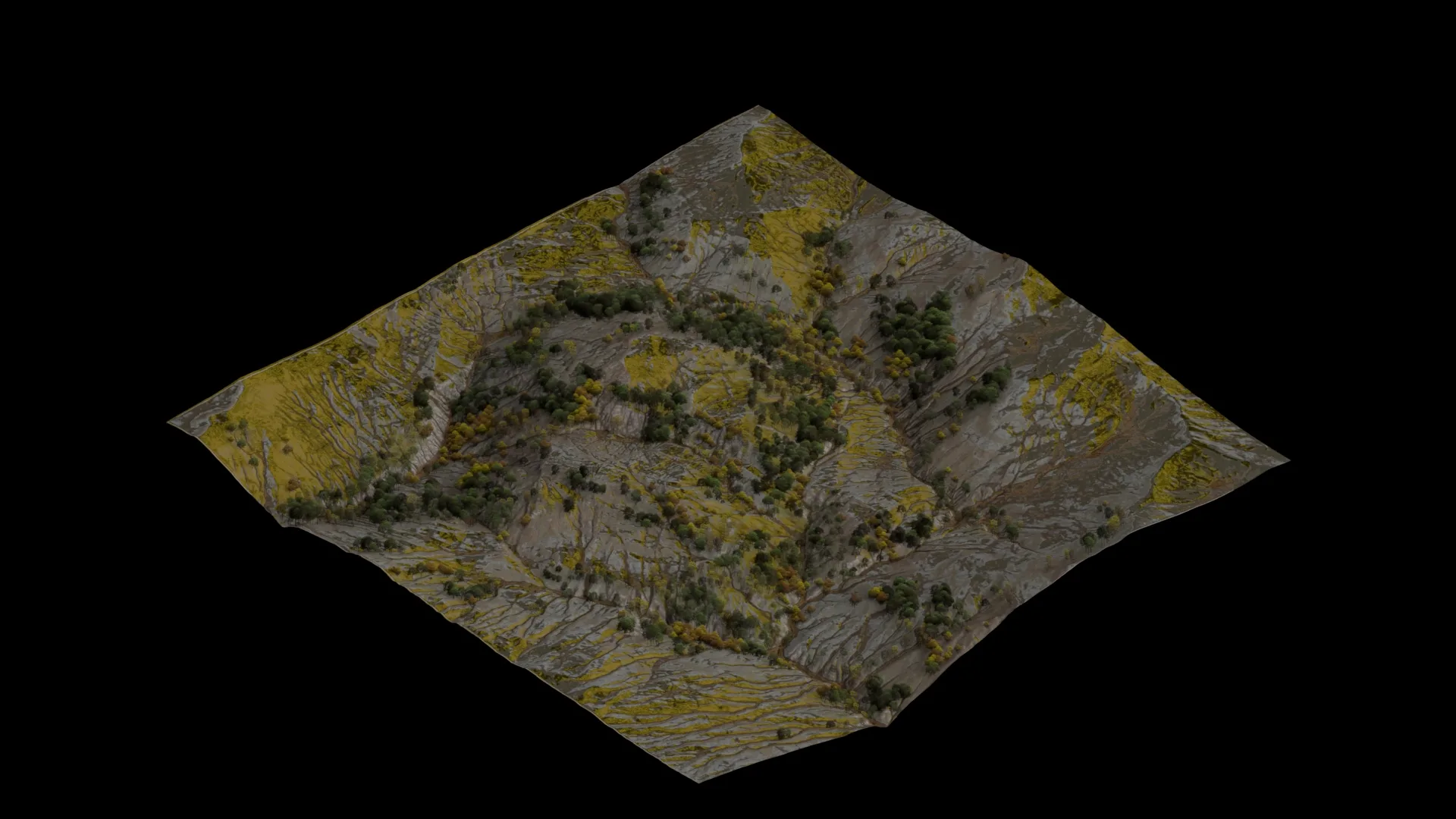
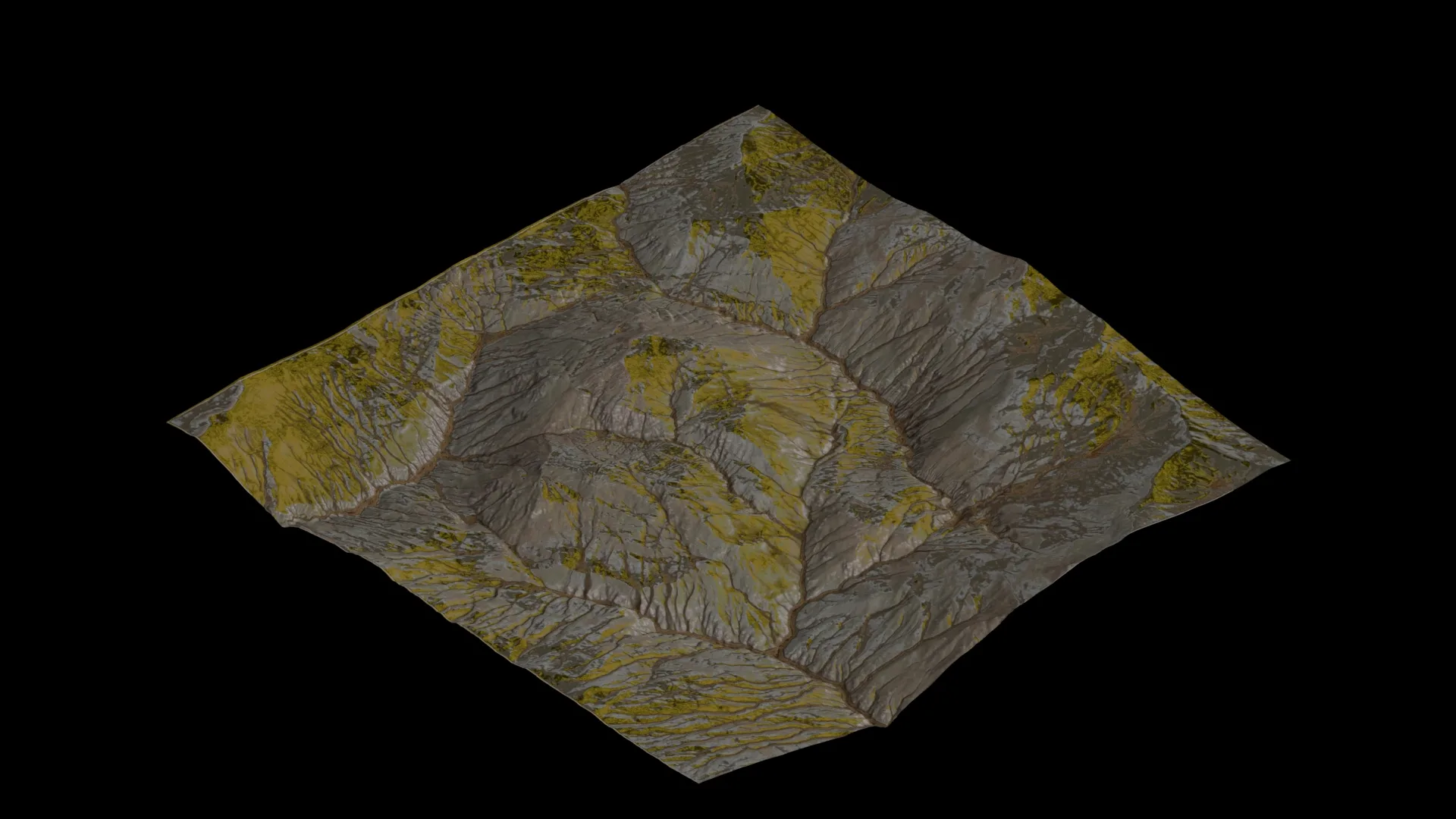
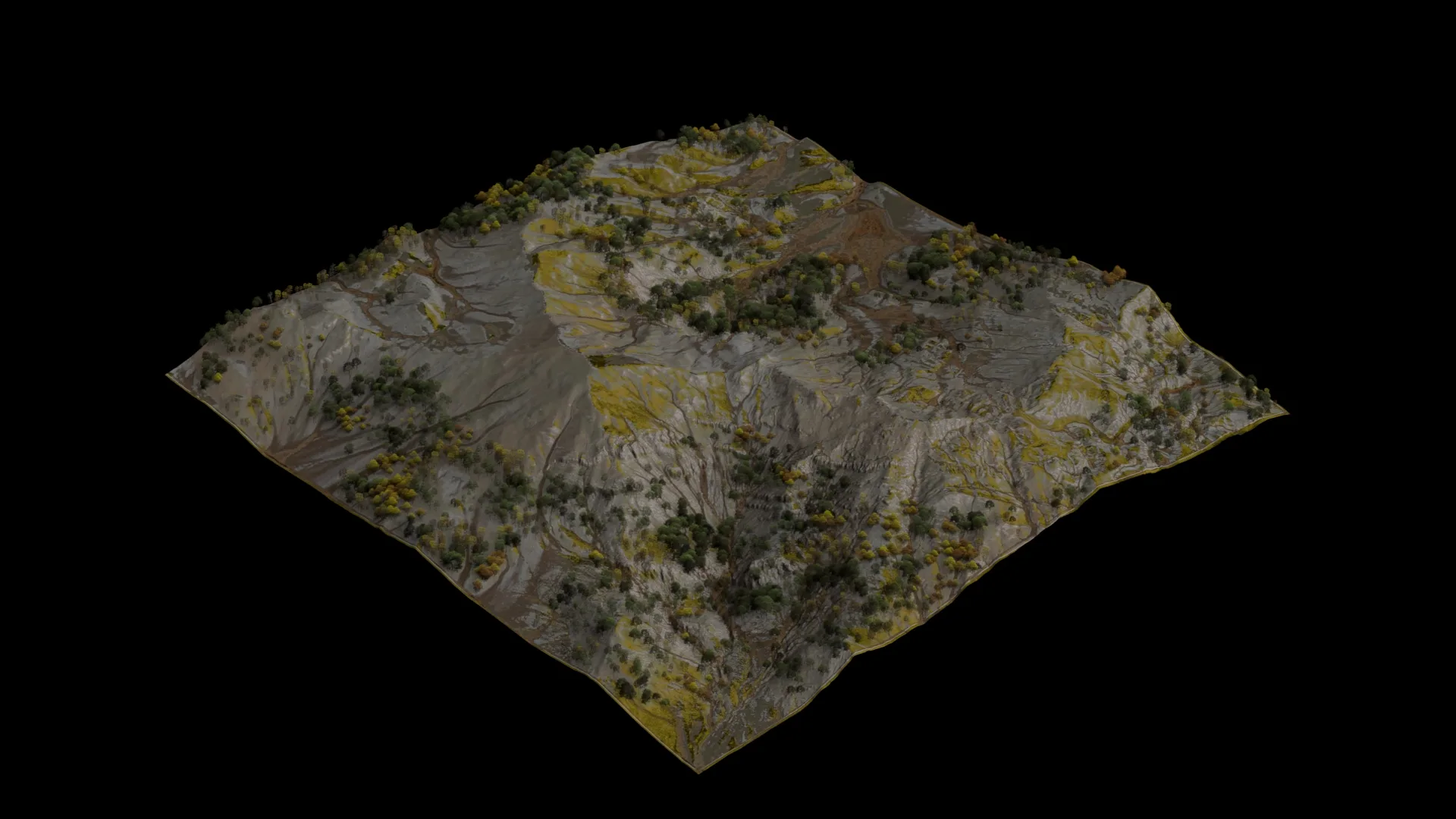
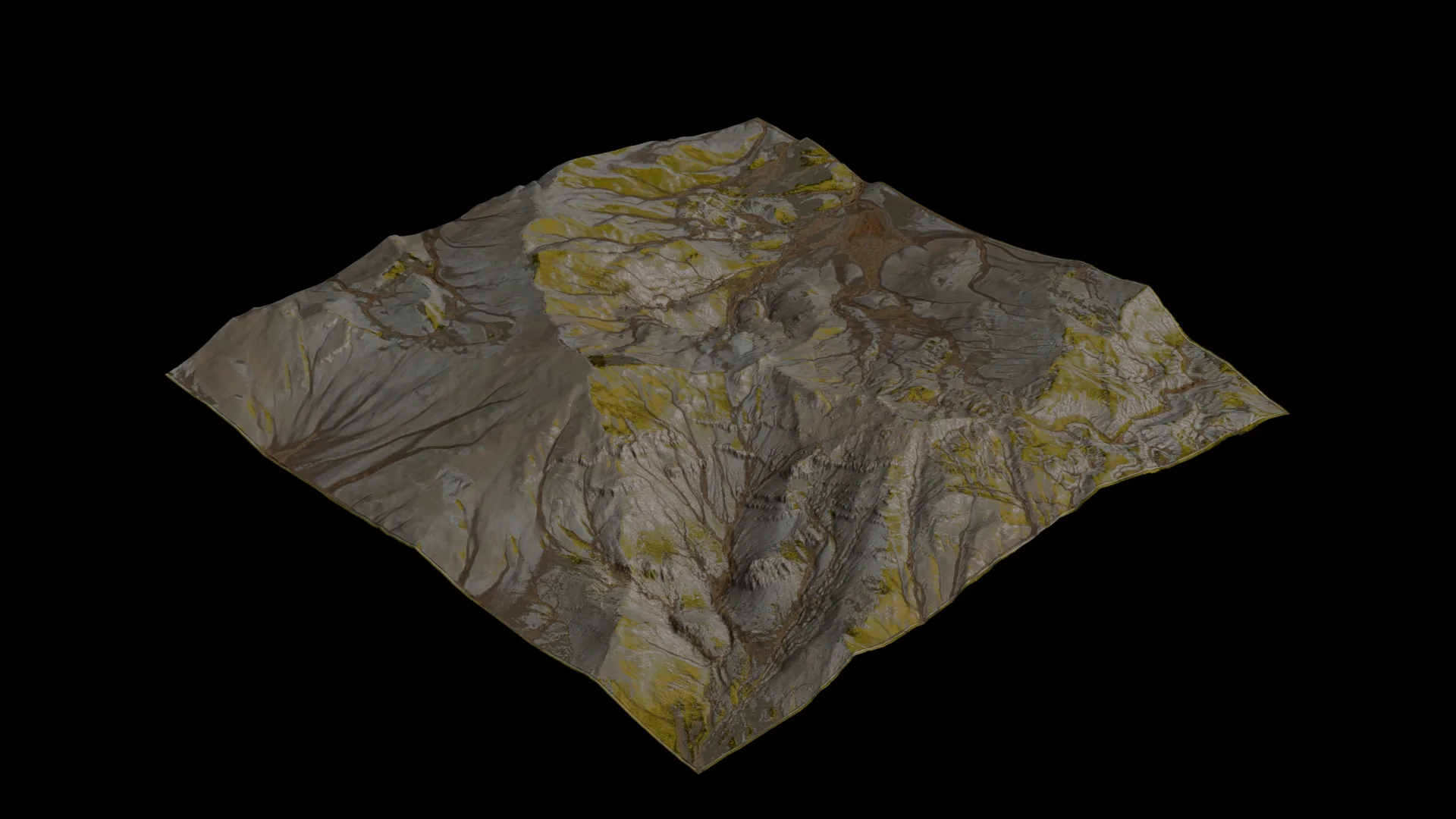
Tree Placement & Texturing, driven by the masks
The trees and the textures are not placed by hand. Both are driven by the masks that come out of GAEA, so the scattering and the ground materials follow the terrain itself.
Rock reads where the slope is steep, sediment where the water settles, and the trees fill in what is left over.
The payoff is iteration speed: reshape the terrain, regenerate the masks, and the whole dressing pass updates with it, without redoing the placement by hand.
Detailing for Games
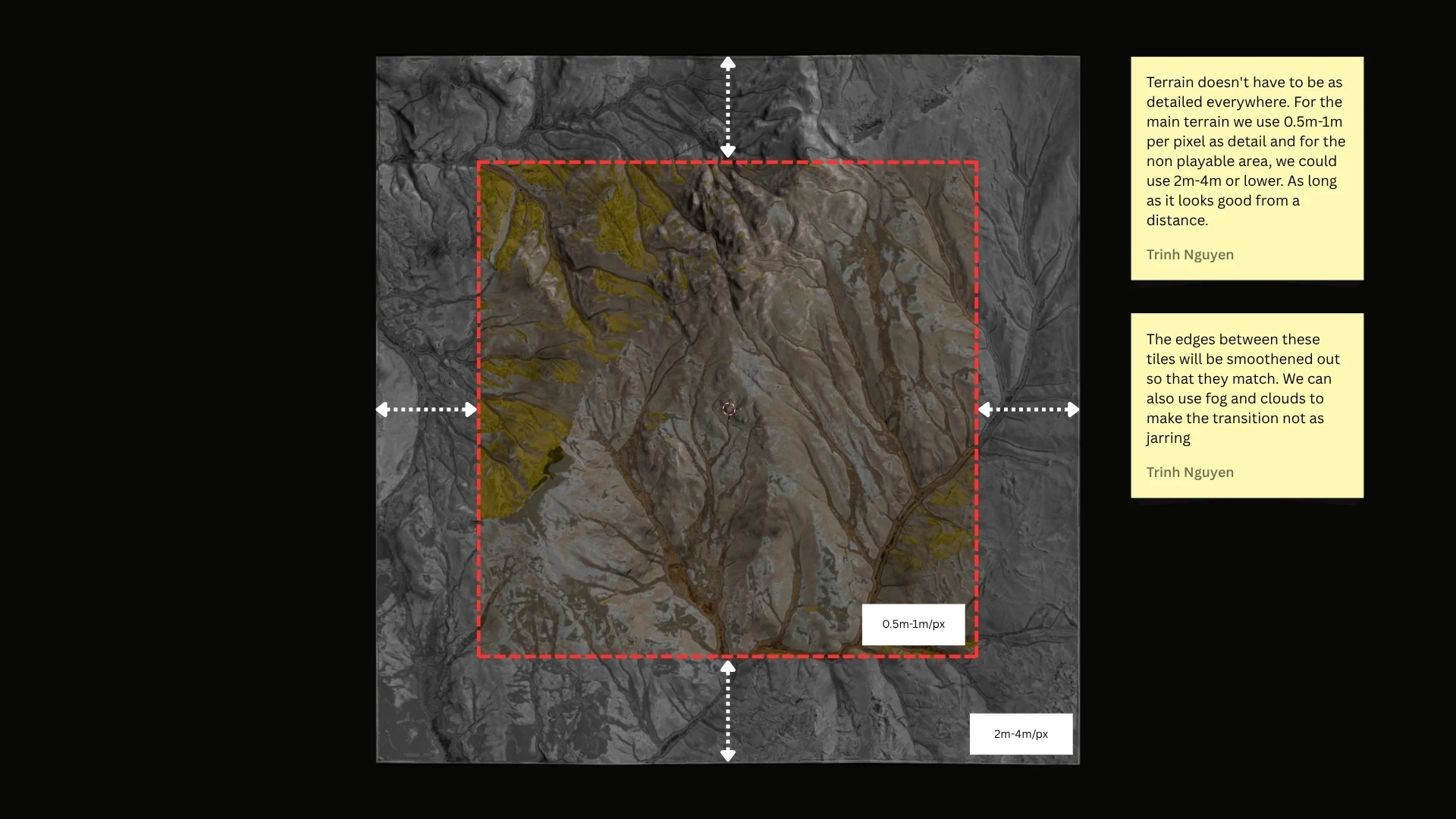
Resolution: playable area vs out of bounds
Terrain doesn't have to be as detailed everywhere. The playable area sits at 0.5m-1m per pixel, and the non playable area around it can drop to 2m-4m or lower. It only has to hold up from a distance.
The edges between those tiles get smoothed out so they match, and fog or clouds soften what is left of the transition.
Spending the resolution where the player actually walks is what keeps the budget sane on a large map.
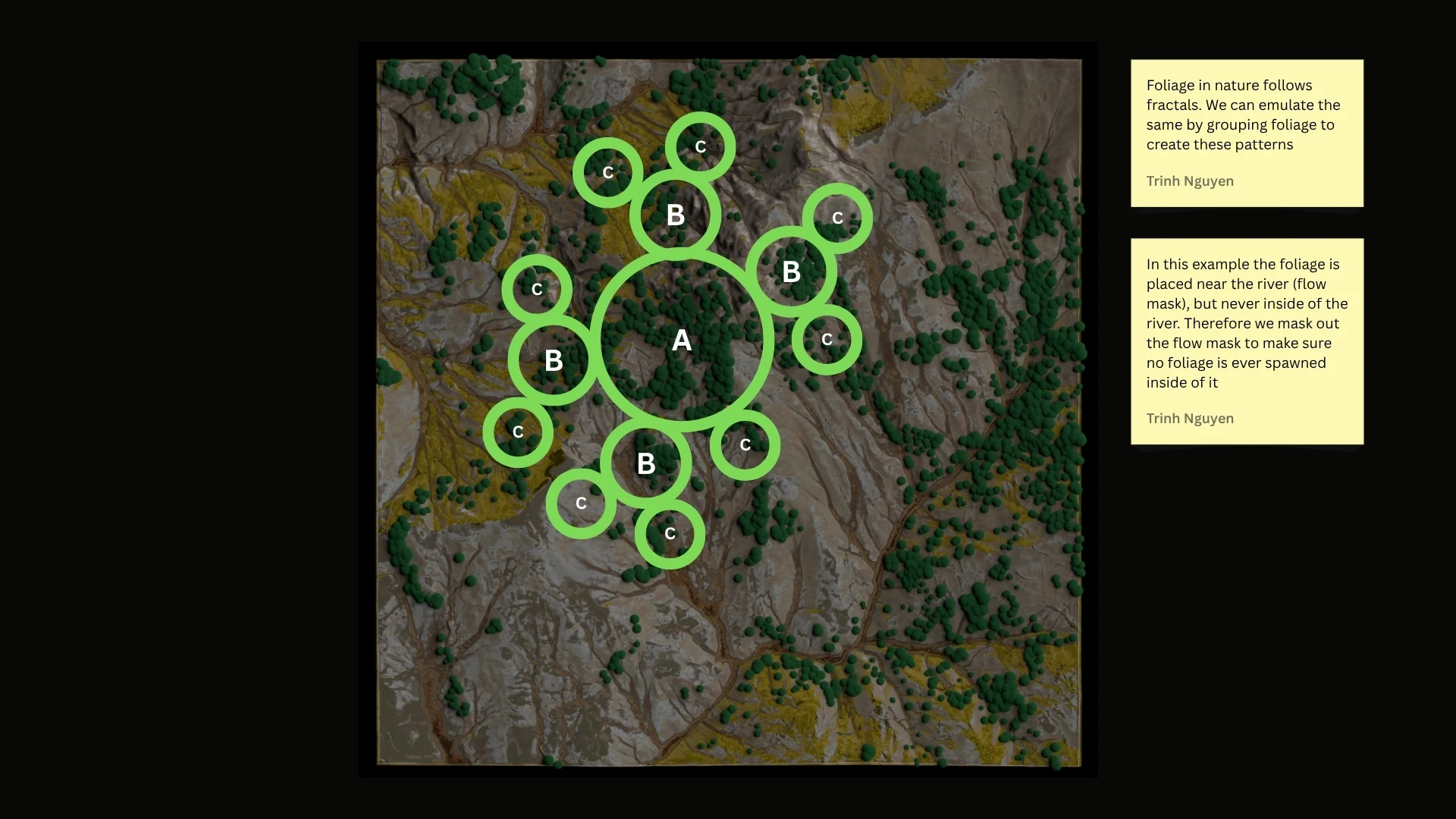
Foliage placement: fractals and the flow mask
Foliage in nature follows fractals, so I emulate the same thing by grouping it: a large cluster, smaller ones around it, and smaller ones again around those.
The masks decide where those clusters are allowed to land. Here the foliage sits along the river, following the flow mask. But never in it, the flow mask is masked out so nothing ever spawns inside the water.